Why Waiting to Trade Can Cost You Money

Holding onto a vehicle longer can sometimes reduce its overall trade potential.

Many drivers consider trading in their vehicle but decide to wait another year. That feels like a safe choice. After all, one more year of driving seems harmless. In reality, waiting can sometimes reduce the value of your vehicle more than expected.

Understanding how depreciation works can help you decide when timing makes sense.

Mileage Adds Up Quickly

Every additional mile affects resale value. Vehicles typically lose value as mileage increases, especially when approaching major milestones such as 100000 miles.

If you drive a significant number of miles each year, waiting twelve months could mean thousands of additional miles that impact your trade offer.

Condition Changes Over Time

Daily driving naturally adds wear. Tires wear down, interiors show more use, and minor cosmetic damage can occur. While these changes may seem small, they add up during an appraisal.

Keeping a vehicle in strong condition helps protect value, but time still plays a role.

Market Demand Shifts

Vehicle values are influenced by supply and demand. Popular models may hold strong value for a period of time, but demand can change. Waiting too long may mean missing a favorable market window.

This is one reason trade values can fluctuate from year to year.

Repair Costs May Increase

As vehicles age, maintenance needs often become more frequent. Larger repairs or part replacements can reduce overall trade value or increase ownership costs while you wait.

Balancing expected repair costs against potential trade value can help clarify your timing.

When Waiting Might Make Sense

There are situations where holding onto your vehicle is still the right choice. If it is reliable, meets your needs, and major repairs are not expected, continuing to drive it may be perfectly reasonable.

The key is understanding the trade off between time, mileage, and market conditions.

Checking Your Current Value

If you are unsure whether waiting makes sense, exploring your options is simple. Reviewing how the process works on the trade-in evaluation page can give you a clearer idea of what factors influence value.

Even if you are just planning ahead, knowing your approximate trade potential today can help you make a more informed decision.

Planning Your Next Step

Whether you decide to trade now or later, staying informed protects your options. If you would like to compare what is currently available, browsing current inventory can help you see how market pricing aligns with your goals.

If you have specific questions about timing or your vehicle’s situation, you can always reach out to us.

Things That Cause Your Vehicle To Loose Value

Interior Care Tips Drivers Often Ignore

Small interior habits can make a big difference in comfort and long term value.

When people think about car care, they often focus on oil changes, tires, and engine maintenance. Interior care tends to get pushed aside, even though it plays a major role in how a vehicle feels to drive and how it is evaluated later on.

Many of the most damaging interior issues come from small habits that seem harmless at the time.

Skipping Regular Vacuuming

Dirt, sand, and debris act like sandpaper on carpets and seat fabric. Over time, they grind fibers down and leave interiors looking worn long before they should.

A quick vacuum every few weeks helps prevent permanent damage and keeps the cabin looking fresh.

Letting Spills Sit Too Long

Spilled drinks and food stains are easier to remove when handled quickly. Letting them sit allows moisture to soak into padding and can lead to odors or discoloration.

Even water spills should be dried promptly to avoid mildew or lingering smells.

Ignoring Sun Exposure

Direct sunlight fades upholstery, cracks dashboards, and weakens interior materials over time. Vehicles parked outdoors without protection are especially vulnerable.

Using a windshield shade and choosing shaded parking when possible helps preserve interior surfaces.

Using Harsh Cleaning Products

Household cleaners are not designed for automotive materials. Some can dry out leather, discolor plastics, or leave residue that attracts dirt.

Using products made specifically for vehicle interiors helps maintain the original look and feel.

Overlooking High Touch Areas

Steering wheels, door handles, center consoles, and screens collect oils and grime faster than other surfaces. These areas show wear quickly when neglected.

Wiping them down regularly keeps the interior looking cared for and comfortable to use.

Why Interior Condition Matters

Interior condition affects more than daily comfort. It also influences resale and trade-in value. Clean, well maintained interiors signal responsible ownership and reduce concerns about hidden wear.

If you are planning to replace your vehicle in the future, interior care helps protect its overall value.

Simple Interior Care Habits

  • Vacuum carpets and seats regularly
  • Clean spills as soon as they happen
  • Use sun shades when parking outside
  • Choose vehicle safe cleaning products
  • Wipe down high use surfaces often

These small steps do not take much time, but they make a noticeable difference.

Thinking Ahead

A well cared for interior makes every drive more enjoyable and helps your vehicle hold its appeal over time. When you are ready to explore your next vehicle, browsing available inventory can give you a good sense of how condition impacts presentation and pricing.

If you have questions about protecting your vehicle or preparing it for future trade, you can always reach out for guidance.

Why Service History Can Outweigh Vehicle Age

Beauty Before Age?

Many drivers assume that a car’s age automatically determines how much it is worth at trade-in time. While year and mileage do influence value, they are not the whole story. In many cases, a newer vehicle with poor maintenance history can be worth less than an older vehicle that has been consistently cared for.

This is why service records play such a major role during trade-in evaluations.

Consistency Builds Confidence

Regular oil changes, tire rotations, brake inspections, and recommended maintenance create a clear picture of responsible ownership. When records show that a vehicle has been serviced on schedule, it signals reliability to future buyers and appraisers alike.

That history demonstrates not just care, but also peace of mind. Buyers want confidence that routine maintenance was never ignored.

Skipping Maintenance Lowers Value

Gaps in service history can create concerns, even if the vehicle feels fine during a short test drive. Inconsistent care can raise questions about long-term wear and potential repairs down the road.

Vehicles without maintenance documentation may still perform well, but less certainty often leads to more conservative appraisals.

Digital Records Count Too

Service history does not need to be stored in a physical folder. Many maintenance providers maintain digital records that can be referenced during evaluations. Online service logs, dealership service histories, and manufacturer databases often help verify past care.

If you do have physical receipts or printed service summaries, bringing them along can be helpful during your visit.

How History Affects Trade-In Offers

Two vehicles of the same year and mileage can receive different trade-in values simply based on service documentation. Consistent records reduce risk for future owners, and that added confidence is reflected in the appraisal.

If you are considering trading your vehicle, learning more about how the process works through the trade-in evaluation page is a good way to set expectations.

Preparing Your Records

  • Gather receipts from oil changes and maintenance visits.
  • Print digital service histories when possible.
  • Keep any warranty or repair paperwork.
  • Bring title or payoff information if applicable.

Preparation saves time and helps ensure that your vehicle is evaluated as accurately as possible.

Thinking Ahead

Even if you are not planning to trade right away, keeping organized maintenance records benefits your vehicle long-term. It improves reliability today and protects value for the future.

If you have questions about what documents to bring or how the appraisal process works, you can always reach out for assistance before your visit.

What First-Time Buyers Worry About Most

But Luckily You Don't Have To!

Buying your first car is a big deal. It’s exciting, but it can also feel intimidating. If you’ve ever thought, “I don’t want to say the wrong thing,” or “What if I make a huge mistake?”, you’re not alone. Almost every first-time buyer walks in with the same worries.

The good news? Most of those worries are completely normal and many of them aren’t worth stressing over as much as you think. Let’s walk through a few of the big fears first-time buyers have, and why you can relax a little.

Worry #1: “I Don’t Know Enough About Cars”

Plenty of people feel like they need to be a car expert before they ever step onto a lot. In reality, that’s not the expectation at all. Your job is to know your life, your budget, and what you’d like your next vehicle to do for you. The details features, trim levels, and options can be talked through together.

A simple way to feel more confident is to look around online first. Take a few minutes to browse a variety of vehicles so you can get a feel for body styles, approximate prices, and features that catch your eye. You don’t need to memorize anything just getting familiar with what’s out there can make the conversation at the dealership feel much easier.

Remember, asking questions is not a sign of weakness. It’s the smartest thing you can do as a first-time buyer.

Worry #2: “I’ll Say the Wrong Thing”

It’s easy to worry that one wrong sentence could somehow derail the whole experience. The truth is, there’s no secret script you’re supposed to follow. You don’t need special words or perfect timing just honesty.

The most helpful thing you can do is simply share what you’re looking for and what matters to you. Whether that’s staying within a certain budget, needing space for family, or wanting great fuel mileage, your needs guide the conversation. The process works best when it feels open and relaxed, not like a test you have to pass. You can learn more about that process by reading up on how a trade-in evaluation typically works.

Think of it as a two-way conversation focused on finding the vehicle that fits you and your lifestyle. There’s no “wrong” thing to say when you’re being honest about what you want and asking questions to learn more.

Worry #3: “I Won’t Qualify for Financing”

Financing is another big stress point for first-time buyers. Many people worry they’ll sit down, get judged, and be told “no” without any explanation.

In reality, the financing process is more about matching your situation with the right lending option. Every lender has different guidelines, and many dealerships work with a variety of lending partners. The goal is to find a comfortable path forward, not to make you feel bad about where you’re starting from.

If you’d like a head start, you can always take a few minutes to begin a simple credit application online. That way, some of the groundwork is done before you ever step through the door. It doesn’t guarantee approval, but it can help you know what to expect and save time during your visit.

Worry #4: “What If I Pick the Wrong Vehicle?”

First-time buyers often feel pressure to find the “perfect” car on the first try. It’s easy to worry that you’ll regret your choice the moment you drive away.

Instead of chasing perfection, focus on fit. How will you really use the vehicle? Daily commutes, school runs, road trips, weekend projects these all matter more than a specific color or gadget.

If you don’t see the exact match you had in mind, that’s not the end of the road. Many dealerships offer a vehicle locator option to help search beyond what’s sitting on the lot today. If you’re curious about that, take a look at the car locator service to see how it works.

The right vehicle is the one that fits your life and budget not the one that checks every box on a wishlist.

Worry #5: “I’ll Just Be Another Number”

It’s easy to picture the car-buying process as cold and transactional get in, sign papers, get out. But behind every showroom and website is a team of real people who help customers every day and understand that a first-time purchase is a big deal.

If you’d like to feel more comfortable before you ever visit, you can always learn more about the team you’ll be working with. Getting to know the people behind the process can make the entire experience feel more personal.

And if you have a question, concern, or special situation you want to talk through ahead of time, you can reach out directly. A quick message can clear up a lot of anxiety before you ever set foot in the showroom.

How to Feel More Confident Before You Visit

Feeling nervous doesn’t mean you’re not ready to buy a car it just means it’s important to you. Here are a few simple steps that can boost your confidence:

  • Write down your “must-haves” and “nice-to-haves” so you don’t forget them in the moment.
  • Take a quick look at what’s available right now to get a feel for options and price ranges.
  • Gather basic documents you might need, like your driver’s license and trade-in information if you have a vehicle to replace.
  • If you’re curious about financing, spend a few minutes on the online credit application so you know where you stand.
  • Jot down any questions you want to be sure you ask in person.

Being a first-time buyer doesn’t mean you have to feel lost. With a little preparation, a few good questions, and a team willing to guide you through the process, you can move from nervous to confident and actually enjoy choosing your first car.

Why Some Cars Sell Faster Than Others

Key Factors That Influence Turnover Speed

Have you ever noticed that certain cars seem to disappear from dealership lots almost instantly, while others hang around a little longer? It’s not random—there are clear reasons why some vehicles grab attention right away. If you’re browsing through available inventory and wondering why some models move quicker than others, understanding these factors can help you make a smart, confident choice.

1. Popularity and Market Demand

Some vehicles are just in demand. Practical SUVs, fuel-efficient sedans, and reliable trucks often have a built-in audience, which means they sell faster. Brand reputation also plays a big role—buyers tend to move quickly on vehicles known for long-term reliability or strong resale value. If you’re checking out different types of vehicles, exploring a wide selection like all available models can give you a good sense of what’s trending.

2. Pricing and Value Perception

Let’s be honest—everyone compares prices. When a car is priced competitively for its features and condition, it naturally attracts more attention. Special offers or seasonal promotions can also influence demand, helping certain cars sell quicker. If you're curious about how pricing affects trade-in values, you can easily start a quick appraisal right here: value your trade.

3. Condition and Presentation (Especially for Used Cars)

For pre-owned vehicles, condition is everything. Cars with clean history reports, good maintenance records, and low miles tend to move fast. Presentation matters too—a clean interior, shiny exterior, and proper detailing can make all the difference. This is why many shoppers scroll through all used and new listings to compare condition and features side-by-side.

4. Features and Technology

Modern tech sells cars—simple as that. Features like Apple CarPlay, Android Auto, blind-spot monitoring, heated seats, and remote start often make a vehicle more desirable. If two similar cars are available, the one with the better tech package almost always sells first. Have questions about specific technology in a model you saw online? You can reach out anytime: contact us.

5. Fuel Efficiency and Operating Costs

When fuel prices rise, gas-savers and hybrids tend to sell quickly. Buyers love vehicles that keep ownership costs down, which includes fuel efficiency, reliability, insurance rates, and maintenance costs. If fuel savings are a priority, browsing through fuel-efficient options can help narrow down the best picks.

6. Vehicle Age and Model Cycle

Newer model years or freshly redesigned vehicles usually catch more attention. They look modern, offer updated tech, and often include improvements in performance or safety. Older designs or vehicles close to the end of their production cycle may take longer to sell simply because they don’t feel as current. 

7. Seasonal Trends

Believe it or not, timing matters. SUVs and trucks tend to get more attention during winter, while convertibles shine in the warmer months. Fuel-efficient cars often become hot sellers when gas prices spike. Shopping around during different times of the year  can show you how seasonal demand shifts.

8. Availability and Inventory Levels

When a particular model is hard to find, buyers act fast. Limited availability creates a sense of urgency—people know they might not get a second chance. On the other hand, when there are many similar vehicles on the market, shoppers take their time comparing options. If you’re trying to secure something specific, reaching out early can help. Feel free to ask a question or request info here: contact us.

A lot of factors influence how fast a vehicle sells—demand, price, condition, features, timing, and even availability. Understanding these can help you feel more confident while browsing cars currently in stock or when deciding whether now is the right time to trade in your vehicle. And if you ever need help or have a quick question, you can reach out anytime

Is Your Current Truck Fighting an Uphill Battle

Horsepower vs. Torque: What Truck Buyers Should Focus On

Shopping for a truck means comparing a lot of numbers, and two of the most important are horsepower and torque. These specs are listed on almost every truck page, yet many buyers are unsure what they truly mean for towing, hauling, or everyday driving. Understanding how they work makes choosing the right truck much easier.

What Is Horsepower?

Horsepower shows how quickly an engine can keep a truck moving once it is up to speed. You will feel horsepower most when:

  • Merging onto the highway with confidence
  • Passing slower vehicles while towing at speed
  • Keeping a full truck or trailer steady on long road trips

If your driving includes long stretches of highway or frequent acceleration, horsepower should be a key part of your decision. You can explore a variety of trucks suited for everyday driving here: View All Vehicles.

What Is Torque?

Torque measures the twisting force an engine produces to get weight moving from a stop. You will notice torque most when:

  • Pulling a trailer up a boat ramp
  • Getting a loaded work truck going at a jobsite
  • Climbing steep hills or rough terrain

Stronger torque makes a truck feel like it has muscle right where you need it. If you want a truck built for heavy tasks, you can request help finding one with the right torque using our Vehicle Finder Service.

How Horsepower and Torque Work Together

Torque gets the load moving. Horsepower keeps it moving. Trucks with the best balance can tow confidently while still feeling smooth and responsive during everyday driving.

Understanding RPM and Power Curves

Engines do not make maximum power all the time. Torque peaks at lower RPMs, which is perfect for getting a boat or trailer moving from a standstill. Horsepower peaks at higher RPMs, which helps when you need a quick burst of acceleration while already cruising. A truck built for towing usually emphasizes low-RPM torque to feel stronger under load.

Why Transmissions Matter

Transmissions control how power reaches the wheels. A lower first gear ratio multiplies torque, making it easier to pull away with heavy loads. Transmissions with more gears help keep the engine in its “sweet spot” for power and fuel efficiency.

Simple guidance:

  • Tow or haul often: choose lower gear ratios for easier starts
  • More highway commuting: choose gearing tuned for fuel economy at speed
  • Mixed driving: look for multi-gear transmissions that adapt well to both

Different Engine Types

  • Diesel engines: excellent low-RPM torque for heavy equipment towing
  • Gas engines: smoother acceleration and strong horsepower for daily use
  • Turbocharged engines: great mix of torque and horsepower efficiency
  • Hybrid and electric motors: instant torque for quick, controlled pulling starts

Electric Truck Considerations

Electric trucks deliver maximum torque instantly, which feels powerful when backing a trailer or pulling up steep ramps. Regenerative braking helps recover energy when slowing down with a load. Range can drop faster under heavy towing, so selecting a larger battery pack helps maintain travel distance on long trips or hilly terrain.

Payload vs. Towing: Know the Difference

Payload is weight in the truck. Towing is weight behind it. These ratings are separate for a reason:

Capability What It Means Real-World Example
Payload Max weight in the cab or bed Tools, gravel, ATV
Towing Max weight on a trailer Boat, camper, work trailer

A truck excellent at towing might not carry lots of weight in the bed. Knowing both numbers prevents overloading.

GCWR: The Safety Number Most People Miss

GCWR (Gross Combined Weight Rating) measures how much total weight the truck and trailer can safely move together. Exceeding it can affect braking, handling, and drivetrain health even if the engine seems strong enough.

Which Matters More for You?

Choose based on what you do most:

  • Heavy towing or jobsite equipment: torque first
  • High-speed travel and acceleration: horsepower first
  • Work during the week, play on weekends: a balanced setup

If you are upgrading to a truck that better suits your needs, a quick estimate on your current trade can help you plan your budget: Value Your Trade.

How Environment Affects Power Needs

  • Mountains: stronger torque prevents slowing down on climbs
  • Snow or soft ground: more torque helps maintain momentum
  • Hot climates: engines work harder under load, so performance headroom helps

Flat city commuting often requires less torque and places more importance on comfort and fuel savings.

Common Truck-Buying Pitfalls to Avoid

  • Picking a truck that barely meets today’s needs and needing to upgrade again soon
  • Looking only at towing and forgetting payload rating constraints
  • Ignoring terrain and climate when choosing power levels

Planning for the future often prevents the most expensive mistake: buying twice.

Quick Checklist Before You Buy

  • How heavy are the loads you tow or haul?
  • City, highway, or jobsite. Where do you drive most?
  • Will conditions include hills, dirt, snow, or sand?
  • Do you prefer stronger acceleration or stronger pulling strength?
  • Do you need 4x4 for traction under load?

Explore and Compare Options

Once you understand what horsepower and torque mean for your everyday needs, you can explore a wide range of trucks and compare their strengths here: Brows Our Inventory.

Horsepower and torque both matter for capability, comfort, and confidence behind the wheel. When you focus on how you will actually use your truck, the right numbers become much easier to choose. Whether you need work strength, road-trip speed, or a blend of both, the best truck is the one that fits your real life.

Toyota Tacoma usados en venta Los Angeles

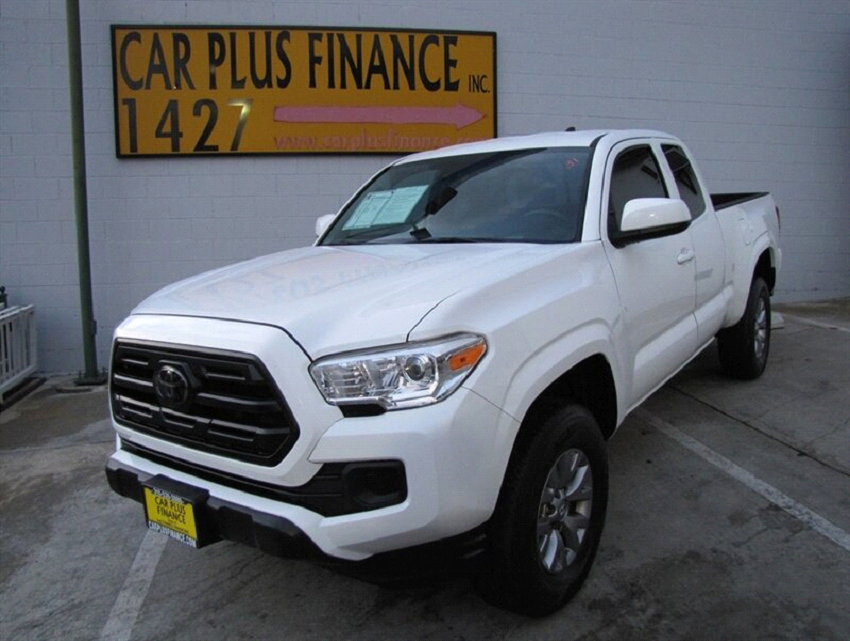
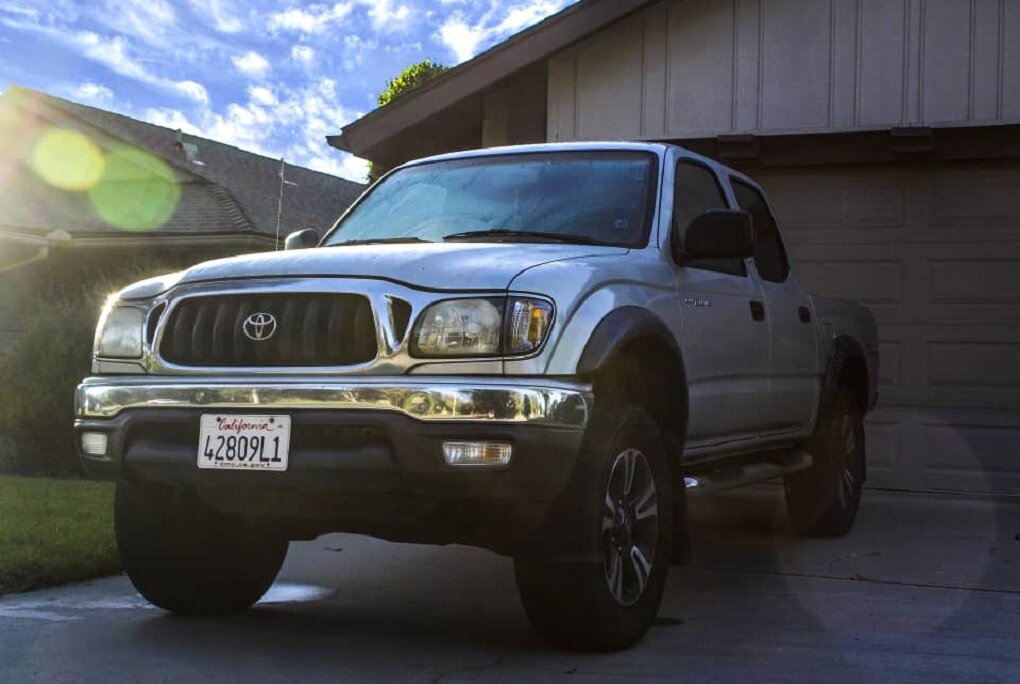
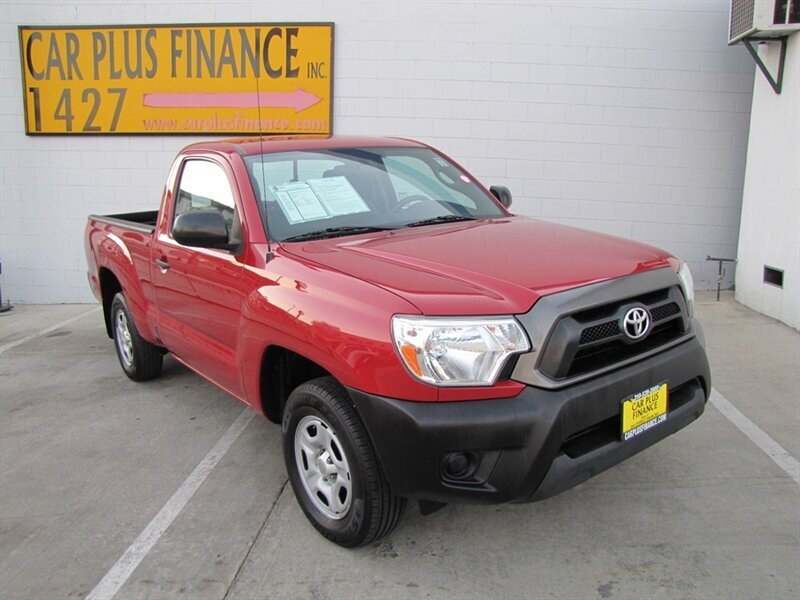
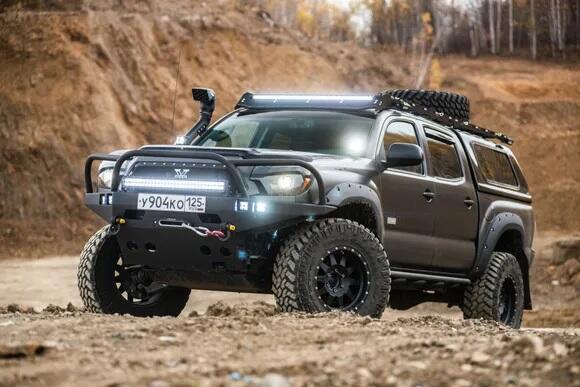
Toyota Tacoma was introduced in 1995 as a light-duty pickup. It has become a flagship for Toyota because of its exceptional reliability, resale value, and customer satisfaction. If you cannot buy a brand new truck, you can consider buying a used Toyota Tacoma.

Best Year for a Used Toyota Tacoma

Toyota Tacoma

Avoid Tacoma models 2006 to 2009, 2011, 2012, 2016, and 2017. These models have lots of issues with engine, paint, and body. The 2009 model was particularly problematic. The 2015 Toyota Tacoma is recommended for its excellent reliability rating and resale value. In 2015, Tacoma competed with the Nissan Frontier and Ford Ranger and came in Double Cab and Access Cab configurations.

Features of Double Cab

Tacoma Double Cab

  • Power mirrors

  • Black fenders

  • Bulkhead storage in the rear

  • Rear flexible head restraints

  • 60/40-split rear bench seat

  • Adjustable lumbar support for the driver

Access Cab

Tacoma Access Cab

The 4WD Double Cab had similar amenities to the 4WD Access Cab. You may find a used Toyota Tacoma with a JBL sound system. Features include:

  • Air conditioning

  • 22 MPG EPA rating

  • 159 HP four-cylinder engine

  • Five-speed manual transmission

  • Bedliner

  • 4WD or RWD

  • Limited-slip rear differential

  • Extended cab with rear doors

  • 6-foot bed

  • 15-inch wheels

  • Tilt steering wheel

Amazing Resale Value

Tacoma Resale Value

The 2015 Tacoma holds excellent resale value. Some used models include:

  • 16-inch wheels

  • 4WD

  • Cruise control

  • 236 HP V6 engine

  • Keyless entry

  • Steering-wheel audio controls

  • Tinted rear windows

You may pay more upfront, but strong resale will pay off long-term.

Gas Mileage

Tacoma Gas Mileage

The 2015 Tacoma came with a 2.7L four-cylinder or a 4.0L V6. The four-cylinder offers better fuel economy, while the V6 provides stronger power.

Longevity of Engine

The 2015 Tacoma is known for its durable and efficient engines. Look for models with TRD packages, lift kits, or towing accessories if you need them.

On a Final Note

When buying a used Toyota Tacoma, carefully check the engine, interior, and exterior. At Car Plus Finance, you can explore used Toyota SUVs and trucks in Los Angeles near Long Beach. Buy your used Toyota Tacoma today or contact us for more details.

Further Reading

10 Toyota Tacoma Service Intervals

10 Toyota Tacoma Service Intervals

Toyota Tacoma owners should plan service every 6 months or 5,000 miles (whichever comes first). Exact items vary by model year, usage, and conditions—but staying on schedule preserves reliability and resale value.

Toyota Tacoma service intervals

Core Maintenance at a Glance

  • Tire rotation

  • Engine oil & filter service

  • Brake inspection

  • Wiper blade and washer check

  • All fluid level checks & top-offs

Service Intervals

5,000 Miles

  • Tire rotation

  • Brake visual inspection

  • Check all fluid levels

  • Test windshield wiper blades

10,000 Miles

  • Repeat 5,000-mile items

  • Replace engine oil & filter

  • Inspect cabin air filter

15,000 Miles

  • Driver’s floor mat check

  • All fluids check & top-off

  • Wiper inspection

  • Re-torque propeller shaft bolt

  • Tire rotation & brake inspection

  • Inspections: ball joints & dust covers, brake lines & hoses, cabin air filter, engine coolant, exhaust pipes & mountings, radiator & condenser, steering gear/linkage & boots

  • 4WD only: Lubricate propeller shaft, inspect drive shaft boots, change front differential oil

20,000 Miles

  • Oil & filter change

  • Replace cabin air filter

  • Repeat 5,000-mile inspections

25,000 Miles

  • Repeat 5,000-mile inspections (no oil/filter unless required)

30,000 Miles

  • Check automatic transmission for leaks

  • Re-torque propeller shaft bolt

  • Replace engine air filter and engine oil

  • 4WD: Lubricate propeller shaft; change front differential oil; inspect drive shaft boots

  • Inspections: ATF cooler, brake components/lines/hoses, fuel lines & connections, fuel tank band & vapor vent hoses, fuel cap gasket

35,000 Miles

  • Repeat 5,000-mile maintenance

40,000 Miles

  • Standard inspection set

  • Oil change

  • Replace cabin air filter

45,000 Miles

  • Comprehensive 5,000-mile inspection set

50,000 Miles

  • 5,000-mile inspection set

  • Oil & filter change

  • Replace cabin air filter

Pro Tips

  • Heavy towing/off-road use can shorten intervals—follow the “severe service” side of your maintenance schedule.

  • Documented maintenance supports warranty claims and boosts resale value.

  • Buying used? Review service records and confirm interval compliance before purchase.

Shop & Learn

Source

Toyota Tacoma or Honda Ridgeline

Toyota Tacoma or Honda Ridgeline: Which Small Truck Should You Choose?

Toyota Tacoma has led midsize truck sales for roughly two decades, but the Honda Ridgeline is a strong alternative with a very different take on “pickup.” Here’s a clear, side-by-side look to help you pick.

Toyota Tacoma and Honda Ridgeline comparison

Quick Overview

  • Tacoma: Body-on-frame, off-road focused trims, wide configuration choices, available manual transmission, stellar resale.

  • Ridgeline: Unibody construction, car-like ride/handling, clever in-bed trunk, strong standard V6, top safety tech.

What’s New (2020 Models)

  • Tacoma 2020: 7–8" touchscreen, Apple CarPlay/Android Auto, available 360° camera & terrain monitor, TSS-P active safety across the range; max tow up to 6,800 lb.

  • Ridgeline 2020: 9-speed automatic, 8" touchscreen with Apple CarPlay/Android Auto, Honda Sensing (AEB, adaptive cruise, lane keeping), standard V6 (280 hp).

Powertrains

  • Tacoma: 2.7L I-4 (159 hp) with 6-speed auto; 3.5L V6 (278 hp) with 6-speed auto or available 6-speed manual on TRD Off-Road/Pro; RWD or 4WD.

  • Ridgeline: 3.5L V6 (280 hp) with 9-speed auto; FWD standard, AWD available (varies by trim).

Towing & Capability

  • Tacoma: Up to 6,800 lb towing (V6, properly equipped); multiple off-road trims (TRD Off-Road, TRD Pro) with hardware/drive modes.

  • Ridgeline: Strong light-duty utility, lockable in-bed trunk and dual-action tailgate; lower tow capacity than Tacoma and limited off-road hardware.

Tech & Safety

  • Tacoma: Apple CarPlay/Android Auto on all; Toyota Safety Sense (AEB, adaptive cruise, lane departure alert, auto high beams) standard.

  • Ridgeline: Similar smartphone integration; Honda Sensing suite standard; Top Safety Pick ratings; very refined driver aids.

Ride & Everyday Comfort

  • Tacoma Pros: Rugged character, trail capability, excellent resale.

  • Tacoma Cons: Harsher ride, tight headroom for some, base I-4 feels underpowered.

  • Ridgeline Pros: Quiet cabin, car-like ride/handling, innovative bed storage.

  • Ridgeline Cons: Higher base price, limited serious off-road ability, reduced tow rating vs Tacoma.

Pricing (2020 MSRPs)

  • Tacoma: From $26,050 (I-4); V6 from ~$28,310; most 4×4/V6 builds start $30k+; TRD Pro from ~$46,665.

  • Ridgeline: From $33,900; Black Edition up to ~$43,520.

Which One Fits You?

  • Choose Tacoma if you value off-road capability, configuration choice (cab/bed/4×4/manual), stronger max tow, and lower entry price.

  • Choose Ridgeline if you prioritize on-road comfort, a quiet upscale cabin, and clever everyday usability (in-bed trunk, dual-action tailgate).

Shop & Learn More

Sources

Toyota Tacoma or Ford Ranger

Toyota Tacoma or Ford Ranger: Which Small Truck Should You Buy?

The Toyota Tacoma has long been a best-seller in the midsize pickup segment, especially with trims like the TRD Pro aimed at serious off-roaders. The Ford Ranger, however, is one of its strongest modern rivals. Both trucks deliver solid utility, but the differences in performance, comfort, and tech may sway your decision.

Toyota Tacoma vs Ford Ranger

Performance & Capability

  • Toyota Tacoma: Standard 2.7L I-4 (159 hp) or available 3.5L V6 (278 hp); 6-speed auto or manual (on select trims). Tow rating up to 6,800 lbs. EPA ~20 mpg combined.

  • Ford Ranger: 2.3L turbocharged I-4 (270 hp, 310 lb-ft torque) paired with a 10-speed auto. Best-in-class fuel economy (up to 26 mpg highway). Tow rating up to 7,500 lbs.

Off-Road & Handling

  • Tacoma TRD Pro: Fox shocks, skid plate, snorkel option, and impressive trail-clearance angles. Available manual transmission keeps it a purist’s off-road choice.

  • Ranger Tremor: Advanced drive modes and low-speed cruise control make it smooth off-road. Quick acceleration and strong crawl capability give it an edge in some conditions.

Interior & Comfort

  • Tacoma: Rugged but less refined. Standard 7" touchscreen with Apple CarPlay/Android Auto. Cabin can feel tight, but offers great storage and off-road camera options (TRD Pro).

  • Ranger: More premium feel in higher trims (Lariat). Heated leather seats, responsive infotainment, and quieter ride make it the more commuter-friendly option.

Safety & Technology

  • Tacoma: Toyota Safety Sense standard (auto emergency braking, lane departure warning, adaptive cruise, auto high beams).

  • Ranger: Base XL is sparse, but higher trims add adaptive cruise, remote start, upgraded audio, and advanced driver aids.

Dimensions & Configurations

2021 Ford Ranger

2021 Toyota Tacoma

Wheelbase

127.4 in

126.8 in

Length

212.3 in

210.8 in

Bed Options

60" (short), 72" (long)

60.5" (short), 73.7" (long)

Cab Options

SuperCab, SuperCrew

AccessCab, DoubleCab

Pricing

  • Tacoma: Base models start around $26,000. TRD Pro models climb into the mid-$40k range.

  • Ranger: Base XL starts lower, but well-equipped XLT and Lariat trims run $35k–$47k depending on options.

Verdict

  • Choose Tacoma if you want unmatched off-road credibility, a manual transmission option, and strong resale value.

  • Choose Ranger if you prefer a smoother ride, higher towing capacity, more modern cabin feel, and stronger fuel economy.

Shop & Compare

Sources

Toyota Tacoma or Jeep Gladiator

Toyota Tacoma or Jeep Gladiator: Which Midsize Truck Is Right for You?

The Toyota Tacoma has led the midsize pickup class for more than a decade. As demand for small pickups grows, strong competitors have emerged—chief among them, the Jeep Gladiator. Below is a clear, no-form, ad-light comparison to help you choose.

Toyota Tacoma vs Jeep Gladiator

What’s New (2021 model year)

  • Tacoma: New Trail Edition; V6 models add standard dual-zone climate control.

  • Gladiator: Adds available 3.0L EcoDiesel V6 (260 hp, 442 lb-ft) with 8-speed automatic.


10 Reasons to Buy a 2021 Toyota Tacoma

  1. Reliability: Renowned long-term dependability when serviced on schedule.

  2. Strong Available V6: 3.5L V6 (278 hp) for better passing and towing.

  3. Improved Comfort: Available 10-way power driver’s seat; heated fronts on higher trims; dual-zone climate (V6).

  4. Off-Road Cred: TRD Off-Road adds skid plate, locking rear diff, Crawl Control; TRD Pro gets FOX shocks & extra armor.

  5. Street-Friendly TRD Sport: Sport-tuned suspension, vented hood, street-biased tires.

  6. Customization: Smoked lights, bold colors (Voodoo Blue, Barcelona Red), Nightshade Special Edition.

  7. Easy Infotainment: 7–8" touchscreen with Apple CarPlay, Android Auto, Amazon Alexa.

  8. Safety Suite: Toyota Safety Sense P (AEB w/ pedestrian detection, adaptive cruise, LDA, auto high beams).

  9. Available 360° View: Panoramic View Monitor aids parking & trail spotting.

  10. Optional JBL Audio: 440-watt amp, premium speakers, integrated subwoofer.

Common Tacoma Cons

  • Base 4-cyl feels underpowered.

  • Cab is tighter than some rivals.

  • Top trims get pricey; fuel economy is just OK.

  • Max tow/haul isn’t class-leading.

See used Toyota Tacoma inventory & prices


10 Reasons to Buy a 2021 Jeep Gladiator

  1. Go-Anywhere DNA: Proven Jeep 4×4 systems, heavy-duty suspension, Trail-Rated/Desert-Rated variants.

  2. Hauling & Towing: Up to 7,650 lbs towing (properly equipped) and ~1,700 lbs payload.

  3. Open-Air Experience: Only convertible pickup; removable doors/roof, soft/hardtop choices.

  4. Roomy Back Seat: Bigger rear row than most midsize trucks; seats up to five.

  5. Powertrains: 3.6L V6 (285 hp) or torque-rich 3.0L EcoDiesel; 8-speed automatic available.

  6. Iconic Styling: Rugged Jeep look that stands out on and off road.

  7. Simple, Attractive Cabin: Clean layout with supportive buckets; practical storage.

  8. Modern Uconnect: 7–8.4" HD touchscreen, available nav, Apple CarPlay/Android Auto, optional Alpine audio.

  9. Endless Mods: Nine trims, numerous packages; vast aftermarket for off-road gear.

  10. Safety Tech: High-strength steel frame; available FCW w/ active braking, blind-spot monitor, rear cross-path, ParkSense.

Common Gladiator Cons

  • Not as nimble on tight trails as a Wrangler.

  • Fuel economy lags most rivals (gas V6); diesel helps but adds cost.

  • Steering/handling feel can be truckish on pavement.


Quick Specs Snapshot (2021)

Toyota Tacoma

Jeep Gladiator

Engines

2.7L I-4 (159 hp), 3.5L V6 (278 hp)

3.6L V6 (285 hp), 3.0L EcoDiesel V6 (260 hp / 442 lb-ft)

Transmissions

6-spd auto; 6-spd manual (select trims)

8-spd auto (diesel), 6-spd manual or 8-spd auto (gas V6)

Max Tow (properly equipped)

Up to 6,800 lbs

Up to 7,650 lbs

Cab/Doors

Access Cab (2 doors), Double Cab (4 doors)

Four doors, 5-passenger

Signature Strength

Bulletproof reliability, off-road trims, resale value

Open-air Jeep experience, top tow, customization


Which Should You Choose?

  • Pick Tacoma if you value long-term reliability, strong resale, an available manual, and well-tuned off-road trims (TRD).

  • Pick Gladiator if you want the unique open-air Jeep feel, class-leading towing, and deep customization potential.

Shop & Learn More

Sources

Which Toyota Tacoma Buying a 2014

Which Toyota Tacoma? Buy a 2014 or a 2015?

The Toyota Tacoma ranks among the top compact/midsize pickups. If you’re choosing between a 2014 and a 2015 Tacoma, this quick guide highlights features, reliability, safety, pricing, and pros/cons to help you decide.

Toyota Tacoma model years


2014 Toyota Tacoma — Snapshot

  • Smooth-shifting automatic; standard 5-speed manual on some trims.

  • First-rate cabin build quality; user-friendly standard infotainment (CD, USB, Bluetooth, voice commands).

  • Spacious rear seats in Double Cab; Access Cab rear seats are tighter.

  • Discontinued X-Runner; excellent fuel economy for the class; low long-term ownership costs.

  • Options available: JBL audio, heated fronts, HD Radio, navigation, cruise control.

2014 Pros & Cons

  • Pros: Quality interior, easy infotainment, smooth auto, low ownership costs.

  • Cons: Tight rear seats (Access Cab).

Ranking: #3 in 2014 Compact Pickup Trucks; winner of 2014 Best Compact Truck for the Money. Score: 8.0/10.
Reliability: 3/5 (J.D. Power, average).
Safety: NHTSA overall 4/5.

Typical Price Range (used): ~$15,400 – $25,800 (varies by configuration, mileage, condition, and location).
See 2014 Tacoma deals


2015 Toyota Tacoma — Snapshot

  • Introduces TRD Pro trim; Regular Cab discontinued.

  • Four- and six-cylinder engines; respectable fuel economy.

  • 6.1" touchscreen, CD, USB, Bluetooth, A/C, power windows/locks, cruise, keyless entry, satellite radio, rearview camera; available navigation.

2015 Pros & Cons

  • Pros: Punchy engines, excellent reliability, standout off-road capability (TRD trims).

  • Cons: Firm ride; few advanced safety features for the year.

Ranking: #1 in 2015 Compact Pickup Trucks; finalist for 2015 Best Compact Truck for the Money. Score: 8.7/10.
Reliability: 5/5 (J.D. Power, excellent).
Safety: IIHS “Marginal” in roof strength; NHTSA 4/5 in rollover.

Typical Price Range (used): ~ $19,900 – $31,600 (avg. list about $26,600; varies by condition, mileage, features, location).
See 2015 Tacoma deals


2014 vs 2015 — Key Differences

  • Off-Road: 2015 adds TRD Pro for factory off-road hardware and presence.

  • Reliability: 2015 earns a perfect 5/5 vs. 2014’s average 3/5.

  • Cab Choices: 2015 drops Regular Cab; 2014 still offers it in some configs.

  • Tech & Features: Both have solid, simple infotainment; 2015 standardizes more comfort/convenience across trims.

  • Pricing: 2014s are generally more affordable; 2015s command more due to higher demand, trims, and ratings.

2014 Tacoma

2015 Tacoma

Best For

Value hunters, more cab variety (incl. some Regular Cab), lower entry price

Top reliability, TRD Pro off-road performance, stronger resale

Reliability (J.D. Power)

3/5

5/5

Ranking (U.S. News)

#3 (8.0/10)

#1 (8.7/10)

Safety Highlights

NHTSA overall 4/5

NHTSA rollover 4/5; IIHS Marginal roof strength

Typical Used Price

~$15.4k–$25.8k

~$19.9k–$31.6k (avg. ~$26.6k)


Buying Tips

  • Check history and maintenance: get a vehicle history report (e.g., CarFax) and service records.

  • Test-drive both years if possible—ride firmness and cab space differ by trim and configuration.

  • If off-roading is a priority, look for TRD Off-Road (either year) or TRD Pro (2015).

Bottom Line

  • Choose 2014 if you want a lower purchase price and are satisfied with “average” reliability and features.

  • Choose 2015 if you want top reliability, stronger resale, and access to the TRD Pro package.

Shop & Finance

Sources

Does the Number of Previous Owners Affect Price

Does the Number of Previous Owners Affect Used Toyota Tacoma Price?

Shopping for a used Toyota Tacoma? Don’t overlook how many people have owned it. One-owner Tacomas are usually better kept and command higher prices. In fact, many buyers prefer one-owner vehicles—and market demand helps lift their value.

One-owner Toyota Tacoma illustration


What Is a “One-Owner” Car?

A one-owner vehicle has had just a single titled owner before you. It’s still “used,” but often comes with service continuity and a clearer history than multi-owner cars.

Why One-Owner Tacomas Can Be Worth More

  • Consistent care: One driver usually means consistent maintenance and driving style, which can support long-term reliability.

  • Better maintenance budgets: First owners who buy new often keep up with scheduled services and OEM parts.

  • Lower risk of hidden issues: Vehicles flipped after problems may carry unresolved faults; a single long-term owner often signals fewer surprises.

Should You Expect to Pay More?

Yes. All else equal, a one-owner Tacoma typically lists higher than a similar multi-owner truck. The premium varies by age, body style mileage, trim, condition, and documentation. Want competitive financing on a one-owner Tacoma? Click here.

Common Reasons Owners Sell

  • Upgrading to a newer model or different size

  • Warranty expiration timing

  • Seeking better fuel economy, safety, or tech

  • Addressing issues (not always disclosed) before selling

How to Verify Ownership History

  • Order a vehicle history report (e.g., Carfax) to confirm owner count, title status, mileage, and service entries.

  • Match report data with service receipts and under-hood VIN labels.

  • Have a trusted mechanic perform a pre-purchase inspection.

Smart Shopping Tips

  • Prioritize documented service records over owner count alone.

  • Compare multiple trucks—condition and maintenance can beat “one-owner” if the latter lacks care.

  • Balance price vs. value: a well-maintained two-owner Tacoma can be the better buy than a neglected one-owner.


Browse & Test-Drive

Sources

How Reliable is Toyota 4Runner

How Reliable is Toyota 4Runner?

The Toyota 4Runner is a midsize SUV long praised for durability and longevity. Many owner surveys and long-term tests rate it highly for reliability across core systems like engine, transmission, brakes, and electrical components. Browse used Toyota 4Runner inventory.

Toyota 4Runner reliability


What Does “Reliable” Mean?

Reliability can vary with maintenance and use. City-driven vehicles that follow routine service (oil, brakes, tires) generally experience fewer unplanned repairs. Conversely, neglected maintenance or harsh use increases the chance of breakdowns.

Traits Linked with Reliable Cars (Consumer Reports)

  • Good fuel economy and smooth ride

  • Predictable handling and well-tuned suspension

  • Comfortable, well-built cabin

Traits Linked with Unreliable Cars

  • Transmission problems; sluggish steering

  • Poor fuel economy; noisy, bumpy ride

  • Noticeable performance shortcomings


Model Snapshots

2019 Toyota 4Runner

A standout for durability—owners routinely rack up high mileage with minimal major issues. Top reasons buyers choose 2019 models include rugged capability, easy drivability, available 3rd-row seating, and a tough, body-on-frame design.

2020 Toyota 4Runner

Widely regarded as highly reliable. Toyota added standard Toyota Safety Sense P (TSS-P) across the lineup, including adaptive cruise control, lane-departure warning, pre-collision with automatic braking, and automatic high beams. See details at Car and Driver and Consumer Reports.

2021 Toyota 4Runner

  • New limited-production Trail Edition with TRD wheels, black exterior badging, tan-stitched seats, and all-weather floor mats

  • Newly standard LED headlights

  • TRD Pro updates: Lunar Rock color, new TRD wheels with Nitto Terra Grappler tires, retuned dampers for better isolation off-road


Why the 4Runner Scores Well

  • Proven powertrain: Long-running 4.0L V6 and simple 5-speed automatic favored for durability over cutting-edge complexity.

  • Body-on-frame construction: Sturdy for towing and trails, with components designed for rough use.

  • Parts availability: Strong aftermarket and dealer support keeps repair costs predictable.

  • Owner community & documentation: Clear maintenance schedules and huge knowledge base help keep trucks in top shape.

What to Check When Buying Used

  • Complete maintenance history (oil changes, coolant, transmission, diffs/transfer case on 4x4 models)

  • Frame and underbody corrosion, especially on older/high-mileage examples

  • Suspension wear (bushings, shocks) if used off-road or for towing

  • Functionality of 4WD system and safety tech (TSS-P on 2020+)

  • Independent inspection and a vehicle history report (Carfax/AutoCheck)


Looking for a Reliable Used SUV?

Car Plus Finance in Southern California carries a wide selection of used Toyota SUVs, including the 4Runner. Contact us for availability, pricing, and financing options.

Sources

What are Most Common Toyota Tacoma’s Air Condition

Most Common Toyota Tacoma Air-Conditioning Problems

When your Toyota Tacoma A/C won’t cool, a few usual suspects account for most issues. If you’re still sweating behind the wheel, start here—then book a professional inspection.

Tacoma A/C diagnostics


Top 7 Tacoma A/C Issues (and Symptoms)

  1. Dirty Cabin Air Filter — A clogged cabin filter chokes airflow, cutting cooling/heating performance and making the blower work harder (worse fuel economy, more noise).

    • Symptoms: Weak airflow from vents; musty odor.

    • Service tip: Replace every 10k–20k miles (sooner in dusty areas).

  2. Dirty / Blocked Condenser — The front-mounted condenser sheds heat from the refrigerant. Bugs, leaves, and road grime reduce airflow and heat rejection.

    • Symptoms: A/C cools at night/idle but not in traffic or hot weather.

    • Quick check: Inspect the grille area; gently rinse debris from fins.

  3. Low Refrigerant (Leak)Refrigerant escapes through tiny leaks over time; pressure drops and the system loses cooling capacity.

    • Symptoms: Intermittent cooling, short cycling, oily residue at hose joints.

    • Note: Systems can lose ~10–15%/yr. Find & fix the leak before recharging.

  4. Dirty Evaporator Core — Dust that bypasses the filter sticks to the evaporator fins and blocks airflow.

    • Symptoms: Choppy or weak airflow, persistent mold/mildew smell.

  5. Compressor Failure — The compressor is the A/C “heart.” Internal wear or clutch failure means little/no compression.

    • Symptoms: Warm air only, loud grinding/whine, seized pulley, blown fuse.

    • Fix: Replacement is typical; flush lines and replace the drier/orifice as needed.

  6. Blower Motor or Resistor FaultBlower/resistor issues cause no/limited fan speeds or unusual noises.

    • Symptoms: Fan only works on high (resistor), or no airflow at any speed (motor).

  7. Faulty Blend Door ActuatorActuator positions the air-mix doors for hot/cold.

    • Symptoms: Clicking/knocking under dash, wrong temperature despite A/C on.


Main A/C Components (Tacoma)

  • Compressor

  • Condenser

  • Receiver/Drier (or accumulator)

  • Evaporator

  • Expansion device & refrigerant lines/hoses

  • Blower motor & cabin air filter

Quick DIY Checks Before the Shop

  • Confirm A/C button is on; set to recirculate; fan on high; temp to cold.

  • Inspect cabin filter; replace if dirty (2 minutes behind the glove box).

  • Visually check condenser for debris; rinse carefully, don’t bend fins.

  • Listen for compressor clutch engagement (click) and fan speed changes.

If issues persist, professional diagnosis is recommended—refrigerant work requires proper tools and EPA-compliant handling.


Shopping or Need Service?

Staying current on maintenance helps prevent many A/C problems. If you’re considering a used Tacoma, verify A/C performance on a long, hot test drive and check service records. Contact us for inspections, parts, and financing options—or see used Toyota Tacoma inventory.

Sources

How Much is a 2021 Toyota Tacoma

How Much Is a 2021 Toyota Tacoma?

The 2021 Toyota Tacoma remains one of the best-selling midsize pickups in America. For 2021, pricing starts at $26,150 (base SR; MSRP). Actual transaction prices vary with trim, options, driveline, and local market conditions.

2021 Toyota Tacoma pricing and trims


2021 Tacoma Trims

The 2021 Tacoma is offered in six trims, each building on capability and features

  • SR — Value-focused workhorse with Toyota Safety Sense and 7" touchscreen.

  • SR5 — Popular convenience upgrades and available 8" touchscreen.

  • TRD Sport — Street-tuned suspension, sporty styling, available 8" screen.

  • TRD Off-Road — Off-road hardware (lockers, terrain modes) for trail use.

  • Limited — Premium comfort and tech, leather appointments.

  • TRD Pro — Flagship off-roader with FOX shocks and trail-ready upgrades.

Looking for the best deal on a used 2021 Tacoma? Browse current Tacoma inventory & pricing or contact us for today’s numbers.


Key Specs (V6)

  • Engine: 3.5L V6 (278 hp)

  • Fuel: Regular unleaded

  • Transmission: 6-speed automatic (6-speed manual available on select TRD trims)

  • Drivetrain: RWD or 4WD

  • Curb Weight: ~4,180 lb

  • Dimensions (L/W/H): 212.3" / 75.2" / 70.6"


What’s New & Notable (2016–2021)

  • 2017: TRD Pro trim introduced.

  • 2018: Many driver-assistance features became standard.

  • 2019: No major changes.

  • 2020: Added Android Auto, Apple CarPlay, Amazon Alexa; 7" touchscreen standard; available surround-view & multi-terrain monitors; 10-way power driver’s seat.

  • 2021: New Trail & Nightshade Special Editions.


Standard Safety & Tech Highlights

  • Toyota Safety Sense (pre-collision, lane departure alert, adaptive cruise, auto high beams)

  • 7" or 8" touchscreen with Apple CarPlay & Android Auto


Next Steps

Sources

Toyota Tacoma 2016 or Toyota Tacoma 2017

Which Toyota Tacoma to Buy: 2016 or 2017?

Both the 2016 Toyota Tacoma and 2017 Toyota Tacoma are excellent midsize pickups, each appealing to different buyers. If you are deciding between a used Toyota Tacoma from 2016 or 2017, this guide will help.

Toyota Tacoma 2016 vs 2017


2016 Toyota Tacoma Highlights

  • Ranks #1 in Compact Pickup Trucks category (score: 8.7/10 from U.S. News).

  • Pros: Excellent off-road capability, strong reliability score, high-quality interior.

  • Cons: Tight rear seats, underpowered four-cylinder base engine.

  • Available body styles: Access Cab (4-seat) and Double Cab (5-seat).

  • Bed lengths: 5 ft or 6.1 ft.

  • Trim Levels: SR, SR5, TRD Sport, TRD Off-Road, Limited.

  • Pricing: $23,500 – $36,000 (avg. ~$30,500).

  • Features: Rearview camera, touchscreen infotainment system, strong V6 option.

Get best price for 2016 Tacoma.


2017 Toyota Tacoma Highlights

  • Introduced the new TRD Pro trim for serious off-roaders.

  • Cab options: Access Cab (compact) or Double Cab (full-size rear seating with under-seat storage).

  • Trim Levels: SR, SR5, TRD Sport, TRD Off-Road, Limited, TRD Pro.

  • Performance: 3.5L V6 (278 hp) with Toyota D-4S direct + port injection; 6-speed automatic.

  • Fuel economy: 19 mpg city / 24 mpg hwy.

  • Towing capacity: Up to 6,800 lbs with V6.

  • Off-road systems: Crawl Control, Multi-Terrain Select, part-time 4WDemand.

  • Safety: Ventilated front discs + drum rears (grit-resistant); solid crash performance.

  • Price changes: MSRP increases ranged from $460 to $1,345 across trims compared to 2016.

Get best price for 2017 Tacoma.


Key Differences: 2016 vs 2017 Tacoma

  • Design: 2017 adds TRD Pro (lift, FOX shocks, Kevlar tires, LED fog lights, black TRD accents).

  • Engines: 2016 base 2.7L 4-cyl (159 hp); 2017 features upgraded 3.5L V6 (278 hp).

  • Performance: 2016: 19/23 mpg; 2017: 19/24 mpg + more towing power.

  • Technology: TRD Pro exclusive features in 2017 (crawl control, terrain select).


Which Tacoma Should You Buy?

  • Choose 2016 if you want excellent reliability at a lower price point.

  • Choose 2017 if you want the upgraded V6, TRD Pro off-road gear, or plan on towing heavy loads.


Next Steps

  • Car Plus Finance is a trusted used Toyota Tacoma dealership in Southern California.

  • Contact us today for expert guidance and financing options.

Sources

What is a Used Car Dealership

What Is a Used Car Dealership?

A used car dealership sells pre-owned vehicles and often helps you arrange a car loan on the spot. Inventory typically spans multiple brands. Dealerships carry operating costs (showroom, staff, lot upkeep), so prices may reflect those services—but you also get extras like in-house financing, trade-ins, titling help, and in some cases certified pre-owned options and limited warranties.

Before you buy, learn about the dealer’s reputation and always request a vehicle history report (e.g., CarFax). These reports are a core part of any used-car purchase.

Used car dealership lot


Why Buy a Used Car?

  • Lower cost & slower depreciation: The first owner absorbs the steepest value drop.

  • More car for the money: Step up in trim/features vs. a comparably priced new base model.

  • Potential trade-offs: Out-of-warranty cars can need more maintenance—choose reliable models and verify service history.


Where Can You Buy Used?

  • Franchised (new-car) dealerships’ used inventory

  • Independent dealerships (like Car Plus Finance in Long Beach)

  • Large used-car retailers

  • Private sellers

  • Online marketplaces (including eBay)


8 Essential Tips for Buying the Best Used Car

  1. Set a realistic budget (include tax, fees, insurance, maintenance).

  2. Target the right models for your needs and reliability.

  3. Consider CPO for warranty coverage and inspections.

  4. Secure financing (compare bank/credit union vs. dealer offers).

  5. Choose where to buy (dealer vs. private party).

  6. Research, test-drive, and inspect (independent pre-purchase inspection recommended).

  7. Negotiate & complete paperwork (title, bill of sale, smog/state checks).

  8. Decide on add-ons (warranties, GAP, service plans) and shop insurance.


Smart Safeguards

  • Run a history report (CarFax) and match VIN to the vehicle and title.

  • Have a trusted mechanic perform a pre-purchase inspection.

  • Verify maintenance records and recall completion.

  • Test all keys, electronics, ADAS features, and 4×4 systems (if applicable).


Get Help & Financing

Prefer guidance end-to-end? Car Plus Finance is an independent used-car dealership in Long Beach that can help you find and buy the right vehicle and arrange financing. Have questions? Contact us for a free consultation.


Sources

Toyota Tacoma a Reliable Choice

Toyota Tacoma: A Reliable Choice

First launched in 1995, the Toyota Tacoma has become one of America’s favorite midsize pickup trucks. If you’re comparing Toyota’s two pickups, remember: Tacoma = midsize capability and everyday usability, while Tundra = full-size power and payload. Among used trucks, the Tacoma is consistently popular thanks to its durability, off-road cred, and strong value retention.

Toyota Tacoma on dealership lot


Used vs. New Tacoma — Quick Take

  • Save thousands up front: Avoid the steepest new-car depreciation.

  • Value retention: Tacomas are known for holding value; many owners cite roughly ~30% depreciation over the first five years, which is modest for the class.

  • Proven reliability: A well-maintained Tacoma routinely runs high mileage without drama.

  • Choice & availability: The 2nd-gen (2005–2015) is especially popular, with lots of trims and configurations to fit different needs.

  • Lower risk with diligence: A pre-purchase inspection (PPI) plus a vehicle history report can make a used Tacoma a smart, budget-friendly buy.


Why a Used Tacoma Makes Sense

  • Durability: Body-on-frame toughness, off-road capability, and a huge aftermarket.

  • Owner feedback: Tons of long-term reviews (see Edmunds Tacoma reviews) help you spot common pros/cons by year and trim.

  • Options & trims: From SR work trucks to TRD Off-Road and TRD Pro, you can pick exactly the combo of bed/cab/gear you want.

  • Budget flexibility: Insurance, taxes, and registration are often lower on used models.


Smart Buying Checklist (Do This!)

  • Run a vehicle history report (e.g., CarFax) and confirm the VIN on the frame, dash, and title all match.

  • Get an independent pre-purchase inspection (PPI): engine, transmission, 4×4 system, suspension, brakes, and underbody (look for off-road damage or rust).

  • Verify maintenance records (fluids, timing chain checks, differential services on 4×4, etc.).

  • Test every feature: 4LO, rear locker (if equipped), crawl control/multi-terrain select (TRD trims), infotainment, cameras, windows, key fobs.

  • Drive it on city streets and highway; listen for driveline vibrations and check alignment/tire wear.


Popular Alternatives to Cross-Shop

Honda Ridgeline, Ford Ranger, Chevrolet Colorado, GMC Canyon, Jeep Gladiator, and Nissan Frontier. Compare tow/haul needs, off-road use, and cabin comfort against Tacoma’s strengths.


Need help finding the right Tacoma?

Car Plus Finance (Long Beach) can help you locate a great used Tacoma, arrange financing, and provide a no-pressure walkthrough of trims and options. Start browsing or reach out:


References & Further Reading

Car Loan Calculator How Much Can I Afford

Used Toyota Tacoma or a New One: Which One Should You Buy in Palos Verdes?

Buying a used Toyota Tacoma or a new one is a key decision when purchasing a reliable truck in Palos Verdes. A new Tacoma may include a better warranty and the latest technology, but it’s typically more expensive than a used Tacoma and will depreciate faster.
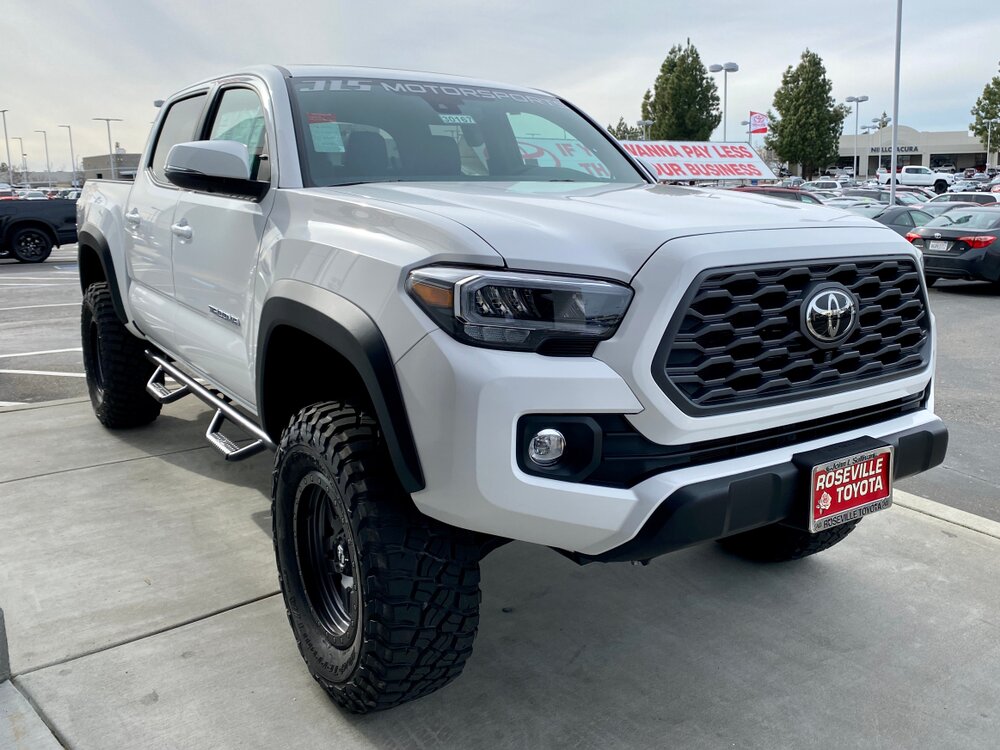
New vs. Used Toyota Tacoma in Palos Verdes

What’s the Difference Between Buying a Used Toyota Tacoma or a New One?

New Toyota Tacoma

Used Toyota Tacoma

Usually has a good warranty

May not have a warranty (unless certified pre-owned)

May qualify for better financing

May cost less to insure

Latest tech and features

Already depreciated significantly before you buy

Warranty: Used Toyota Tacoma vs. New Toyota Tacoma

The advantage of buying a new Toyota Tacoma is that it generally comes with a manufacturer warranty covering major issues in the first few years. New Tacomas usually need only routine maintenance early on. Read more about Tacoma maintenance services.

By comparison, a used Tacoma may require more repairs, which likely aren’t covered—unless you choose a certified pre-owned Tacoma that includes warranty protection.

Thanks to improved reliability, many Toyota trucks go 100,000+ miles before major repairs. You could buy a three-year-old Tacoma, drive it five years, and sell it near what you paid. With a used purchase, consider setting aside a monthly repair fund.

Price: Used Toyota Tacoma vs. New Toyota Tacoma

New Tacomas cost more, though dealers may offer lower rates—even zero-interest loans—which can reduce lifetime interest. Used Tacomas rarely have 0% offers but you can still find solid financing via local banks or credit unions.

Insurance: Used Toyota Tacoma vs. New Toyota Tacoma

Insurance can be lower for used models because replacement costs are lower. Click here to read more about Tacoma insurance.

Technology: Used Toyota Tacoma vs. New Toyota Tacoma

Newer trucks offer updated infotainment, driver aids, and sometimes better fuel economy and emissions.

Depreciation: Used Toyota Tacoma vs. New Toyota Tacoma

New vehicles take the biggest depreciation hit in the first 2–3 years. Buying used lets the previous owner absorb that drop; you benefit from a lower price and slower subsequent depreciation.

Used Toyota Tacoma or a New One: Which Is Right for You?

  • Prioritize lowest price and long-term value? A used Tacoma may be best.

  • Want the newest tech and full warranty? A new Tacoma fits better (or consider CPO for warranty with lower price).

Buying New Toyota Tacoma — Key Benefits

  • No prior history: No unknowns from previous owners or missed maintenance.

  • Faster process: Fewer inspections/history checks (e.g., Carfax or AutoCheck).

  • Often cheaper to finance: Lower interest rates are common—though watch your loan-to-value ratio.

  • Safety tech: Modern driver assists are more widely available.

  • Fuel efficiency gains: Newer powertrains and transmissions improve MPG across the lineup. Read more about Tacoma fuel economy.

  • Full warranty coverage: Bumper-to-bumper (commonly 3yr/36k mi) plus longer powertrain coverage.

You can also explore Tacoma financing options or use the loan calculator.

Disadvantages of Buying New Toyota Tacoma

  • Highest upfront cost (plus financing, taxes, insurance).

  • Must purchase through a franchised Toyota dealer (fewer seller types vs. used).

  • Sales tax based on the full higher price.

  • Generally higher insurance costs and required coverages when financing.

Advantages of Buying Used Toyota Tacoma

  • Lower purchase price, taxes, and often insurance.

  • Avoids the steepest depreciation; better value retention.

  • Potential to afford a higher trim for the same budget.

  • Easy to research vehicle history (Carfax/AutoCheck) before purchase.

See different used Toyota Tacoma prices.

Disadvantages of Buying Used Toyota Tacoma

  • Some unknowns remain—history reports aren’t perfect.

  • Often sold “as-is” unless CPO; repairs are your responsibility.

  • Financing rates typically higher; fewer special offers.

  • Fewer manufacturer incentives; deals mostly on CPO programs.

The Bottom Line

Do your research, read reviews, and verify reliability. If you’re not familiar with Tacomas, have a trusted mechanic inspect any used truck. Shop for the best loan, and negotiate your price. Car Plus Finance is a leading used Toyota Tacoma dealership in Palos Verdes—ready to buy, sell, or take trade-ins and complete transactions safely in-store.

Sources

  • Kenrick, S. (2021, Aug 10). Should I buy a new car or used car? iwillteachyoutoberich — link

  • Caldwell, M. (2021, Aug 23). Buying a New Car vs. Buying a Used Car. The Balance — link

  • Vincent, J. (2019, Jan 21). New Cars vs. Used Cars. U.S. News — link


Do You Rely on CarFax

Do You Rely on CarFax?

Carfax is a must if you are going to buy a used Toyota Tacoma. It's essential to take some precautions and get an accurate and detailed vehicle history report from CarFax. It has become an integral part of any used-car purchase. If you want to know how reliable Carfax is, don't miss this blog post!!!

Many customers who decide to purchase a used car, think that Carfax report reveals everything about a used car — this is not true. Be careful; while a Carfax report can be a helpful service, don't rely on it as your sole source of information. The CarFax database obtains its information from different sources such as state and registration records, car auctions, police, and fire departments.

Carfax will tell you the following data about the used Toyota Tacoma:

  • How many prior owners your Toyota Tacoma has had?

  • Was your Toyota Tacoma part of a rental service?

  • Was your Toyota Tacoma in flood damage?

  • Was your Toyota Tacoma in an accident?

But, you will only find out about them if they report to mentioned agencies in the first place. Some car owners don't want an increase in insurance rates, so some accidents never report to insurance companies. Cars may be damaged at dealerships — and quickly repaired in their service department. These kinds of accidents will never show up in a car history report. Again, you'll never know about it.

CarFax Vehicle History Report Example

What is the Solution?

Remember, even clean reports from all services don't guarantee that the vehicle doesn't have damage or other problems. There are some ways to avoid losses while buying a used car:

  • Before buying a used car, take it to an independent mechanic to check for any evidence of damage.

  • Don't skip the test drive.

  • Ask the seller for a history report.

  • Read the disclosures — reporting companies explain the limits of the information and any guarantees they're providing.

How to Obtain Information from the CarFax?

Carfax is the most well-known provider of used car history reports, dating back to the late 1980s. The car's vehicle identification number (VIN) is the primary key to the vehicle history report. The 17-digit VIN is like the car's identification number. It's used to note nearly every major event in a vehicle's lifetime, typically including:

  • Vehicle description

  • Number of previous owners

  • Accident information

  • Verification of current mileage

  • Lemon-law and recall checks

You can Get a Free Used Car Report. CarFax is one of the best ways to learn about the Toyota Tacoma history and access the information you need about the used car. In general, Carfax will provide a reasonably reliable account of emissions history and accident history. Therefore, you can have a good idea of any problematic aspects of the car's history.

However, it's important to remember that the Carfax report can only provide information that has been recorded or reported. Regardless of what the report says, it's crucial to ensure the car has been thoroughly inspected before purchasing.

As Southern California's Toyota Tacoma headquarters, Car Plus Finance is ready to help you find the best used Toyota Tacoma or any other vehicle. If you are one of those customers who can't fully trust CarFax, do not hesitate to Call Us.

Sources

  • Carfax vs AutoCheck: 3 differences you must know. (2013, December 15). Drivetime. link

  • Montoya, R. (2019, September 26). CarFax or AutoCheck: Which vehicle history Report is Best for You? Edmunds. link

  • Used Car History Report may not be Accurate. (2009, June). Consumer Reports. link

Why is Toyota Tacoma the Best Off-Road Toyota

Why is Toyota Tacoma the Best Off-Road Toyota in 2021?

When it comes to off-roading in Toyota, there is Tacoma, and there is everything else. Indeed, Toyota is one of the biggest producers of off-road vehicles in the world, from off-road truck models to off-roading sport utility vehicles. Toyota Tacoma, Toyota Tundra, Toyota 4Runner, and Toyota Highlander are the most popular off-road Toyota vehicles in the U.S. But Toyota Tacoma was the first off-road Toyota truck to make a splash in the U.S. market. We are going to look at what makes Toyota Tacoma the best off-road Toyota truck? If you are an off-road lover, do not miss this blog.

2021 Toyota Tacoma TRD Off-Road

Toyota Tacoma is offered in several different forms and sizes; if you are looking for a midsize truck that can also indulge in serious off-roading, the 2021 Toyota Tacoma TRD off-road access cab would be a perfect choice for you. This type of Toyota Tacoma is efficient, reliable, powerful, and loaded with tech and features.

What are the Features of the 2021 Toyota Tacoma TRD Off-Road Access Cab?

1- Engine and performance:
This Toyota Tacoma carries a 3.5 DOHC 24-Valve direct-injection Atkinson-cycle engine under the hood with 278 horses and 265 pound-feet of torque. The 2021 Toyota Tacoma TRD off-road access cab has a 6-speed automatic transmission that pushes all wheels' power. This transmission is upfront and quick in response without any lag. The 4x4 terrain setting pushes this truck through any road without any stiffness. The 3.5 L V6 engine generates an adequate amount of power which helps the Tacoma complete a 0-60 mph sprint in just 7.0 secs. The Tacoma handles the speed with 10.8 inches front and 10.1 inches rear brakes.

2- Fuel economy:
Fuel efficiency of 2021 Toyota Tacoma TRD off-road is 19 MPG in the city and 22 MPG on the highway.

3- Interior:
The interior is best in class, with leather upholstery, a practical dashboard, and an 8-inch touchscreen infotainment system. The cabin feels comfortable and accommodates five adults. The seats are supportive with power adjustments for front passengers. Android Auto and Apple CarPlay are integrated, along with Bluetooth connectivity and other features.

4- Exterior:
The 2021 Toyota Tacoma continues the same design as its predecessors, with no significant exterior changes.

5- Safety:
Toyota Tacoma always comes with top safety features. Standard features include Blind-spot monitoring, Adaptive cruise control, Lane departure warning, Forward collision warning, Automated emergency braking, and more.

Pricing:
The 2021 Toyota Tacoma TRD off-road is the best buy of the year among midsize pickup trucks, priced around $40,000. If you decide to buy a used Toyota Tacoma at the best price, click here. If you want to sell your used Tacoma, click here. For financing options with the best rates in Los Angeles for off-road trucks, learn more here.

What are 2021 Tacoma TRD Off-Road Access Cab Competitors?

The 2021 Tacoma TRD off-road access cab has strong competitors from other brands, all equipped with powerful engines and excellent driving dynamics:

Overall, Toyota Tacoma offers excellent specifications at lower prices than other rivals available in the market.

As an authority specialized in used Toyota Tacoma and trucks, Car Plus Finance, based in Harbor City, California, is ready to buy, sell, and trade used Toyota trucks at the best prices. We provide a complete finance department with the credit application and financing experience needed to get you financed on all makes and Toyota vehicle models. If you think our services would be helpful to you, do not hesitate to contact us.

Sources

  • Wright, I. (2020, May 8). Best off-road vehicles for 2020. Carbuzz. link

  • Lisa, A. (2020, June 22). 19 most trusted Toyota of all time. Cheapism. link

  • Off-roader by nature: 8 best off-road vehicles to buy in 2019. (2019, February 28). Motorea. link

  • Choubey, K. (2021, March 15). 2021 Toyota Tacoma TRD off-road access cab price review, rating and access. Carindigo. link

4 Main Reasons Why the Toyota Tacoma Is Popular

4 Main Reasons Why the Toyota Tacoma Is Popular in 2021

The Toyota Tacoma has a considerable reputation for its reliability, quality, and many other benefits. In 2021, it has not lost its popularity and even gives rise to its resale value.

Based in Harbor City, California, Car Plus Finance specializes in used Toyota Tacoma and trucks. Therefore, we have been aware of the main reasons why Toyota is still famous. If you wonder what has made Toyota a winner, read this blog carefully.

Toyota Tacoma Reliability and Resale

1 - Toyota Tacoma Is a Reliable Truck

Toyota has updated its legendary reliability each year, and its consistency ranked in the annual JD Power Vehicle Dependability Study as one of the top brands for car sale. It has been several decades where Toyota Tacoma performs well in terms of dependability, reliability, and high-quality. Many of our owners swear that their used Tacoma trucks are still going as well as early years.

What Makes Toyota Tacoma Trucks So Reliable?

How Many Miles Can a Used Toyota Tacoma Reach?
Owners of used Toyota Tacoma have said several stories about their journeys throughout these years. To be specific, an owner of the 2008 Toyota Tacoma called Mike Neal had reached 1.3 million miles. Moreover, the 2013, 2014, and 2015 Tacoma scored a 5-out-of-5 in reliability. Therefore, If you’re looking for a truck that can last for over 300,000 miles, 2019 Toyota Tacoma or other ones won’t make you unsatisfied. As every part of Tacoma is engineered to stand the test of time, you do not have to worry about a sudden breakdown.

Search for a used car dealership that offers fantastic financing options in Harbor City, CA? Click here

2 - The Toyota Tacoma Is Extraordinary for Off-Roading

You may have seen car dealers’ commercials about Toyota Tacoma on mountain cliffs while having heavy objects on them. In the end, they may mention, “you just cannot kill a Tacoma.”

The Toyota Tacoma is well-known for its excellent off-roading chops, which owners and critics agree about. For example, with the 2021 Toyota Tacoma, you would have a 32-degree angle and 9.4-inch ground clearance. The midsize Tacoma will take you anywhere that no other trucks would take.

What Makes The Toyota Tacoma Exceptional in Off-Roading?
Toyota Tacoma has one of the off-road features called Crawl Control. This feature is described as off-road cruise control. Many off-road vehicles have items like hill descent control, but Crawl Control has made Toyota go a step further. In 2016, Toyota engineers added a feature called “Crawl Control,” which makes the Tacoma capable of tackling terrain that other trucks can't.

3 - The Toyota Tacoma Is User-Friendly For Its Simple Design

Toyota Tacoma has been designed with simple features. However, complicated engines, electronics, and design may be exciting for owners; they might result in horrible problems.

With Android Auto and Apple CarPlay, the 2020 Toyota Tacoma has the features people require. On the other hand, many vehicles are designed with the latest technology, making them complicated and challenging to use. Indeed, this friendly and straightforward design with fewer options makes Toyota Tacoma affordable. This is a beneficial advantage that many owners are satisfied with.

Look for a Toyota Dealer to buy a used Toyota Tacoma from in Los Angeles? Click here

4 - High Resale Value

Among all midsize trucks, the Toyota Tacoma has the best resale value. Toyota Tacoma Is Your Perfect Midsize Truck! Here is Why!

According to iSeeCars, the average depreciation rate for a vehicle is 49.6% after five years, while this rate for Toyota Tacoma depreciated to 32%. Therefore, you will get value from selling or trading used Toyota Tacoma for getting a new truck. Thanks to the Toyota Tacoma high-reliability features, its resale value makes it an excellent investment for intelligent drivers.

Want to sell your trucks in Torrance or Harbor City? Click here

In Conclusion

The Toyota Tacoma has many advantages that make it so popular for many years. Toyota focuses on finding ways to improve its functionality and design. Compared to other car dealerships and used cars, Toyota tends to have reliability, strength, and simpler features with even better and reasonable prices.

Need any help? Whether you are in Harbor City, Torrance, or other areas in Los Angeles, Car Plus Finance is here to answer all your questions. Contact us.

Sources

  • Barfield, A. (2020, November 3). Why the Toyota Tacoma Still Dominates as the Best Truck. Motorbiscuit. link

  • Gold, A. 10 Reasons the 2018 Toyota Tacoma is the AutoWeb Buyer’s Choice Best Small Truck. Autobytel. link

  • Harbid, T. (2020, December 19). What Makes The Toyota Tacoma so Popular?. Cashcarsbuyer. link

  • Is the 2019 Toyota Tacoma a good truck?. (2019, July 12). Ackerman Toyota. link

  • Kieler, A. (2017, July 25). Why Are People Paying So Much For Used Toyota Tacomas?. Consumer Reports. link

  • Lancaster, J. 5 Reasons The Toyota Tacoma is Dominating the Midsize Truck Market. Olathe Toyota. link

  • Reasons to Buy • Pros vs. Cons 2019 Toyota Tacoma Should you buy?. Car Buying Strategies. link

  • Reasons to Buy • Pros vs. Cons 2020 Toyota Tacoma Should you buy?. Car Buying Strategies. link

  • Teague, J. (2019, August 13). 5 Reasons Why the Toyota Tacoma is So Popular These Days. Torque News. link

  • Why Do Toyota Trucks Last So Long? The Top 5 Reasons. Canadian Gearhead. link

What Makes Toyota Tacoma Trucks So Reliable

What Makes Toyota Tacoma Trucks So Reliable?

If you search for a reliable midsize pickup truck, more likely than not, Toyota Tacoma is the first suggestion that you get from the experts. We all know that Tacoma has been building a reputation for reliability for decades. But what is meant by reliability when it comes to cars? And how is it manifested in Toyota Tacoma in particular?

In general, car owners perceive a car as reliable if it does not need anything more than regular maintenance, i.e., oil changes, brake jobs, and tires. A car that keeps having unexpected breakdowns is labeled as unreliable. In this sense, Toyota Tacoma is regarded as one the best trucks for the money. On average, a Toyota Tacoma can last up to 10 to 15 years (assuming you drive 20,000 to 30,000 every year) before needing major repairs.

Maybe that’s why Toyota Tacoma has been ranked number one among midsize pickup trucks, according to U.S. News, in 2013, 2015, 2016, and 2018. If you are in Los Angeles or a nearby city such as Torrance or Harbor City and are looking for a Toyota dealer, click here.

Toyota Tacoma Reliability

Toyota Tacoma’s Steady Pace of Upgrade

Although having new features is always a trump card in the car industry, Toyota Tacoma tends to have these features only when thoroughly tested. All the midsize pickup truck’s unique features like lane departure, cruise control, blind-spot monitor, rear cross-traffic alert, etc., have undergone countless testing before being included in the car.

The point of such a practice is that Toyota Tacomas don’t usually experience breakdowns just due to having fancy new features that don’t function as expected. Toyota includes the upgrades only when it is confident that they will stand the test of time.

Toyota Tacoma’s Safety Technologies

Undeniably possessing features and accessories that help a vehicle to avoid accidents is part of its reliability. When it comes to this, Tacoma, thanks to Toyota’s Safety Sense, has a lot to say. Toyota Safety Sense (TSS) is a suite of safety technologies that Toyota introduced in 2015. Since then, it has been undergoing an evolution with the ultimate goal of eliminating all road traffic accidents.

TSS has had three core functions since its introduction in 2015:

  • Pre-Collision System with Pedestrian Detection: A forward-mounted camera and radar system aim to prevent frontal collisions with vehicles and pedestrians. It provides both visual and audio warnings, and is equipped with an additional brake for emergencies.

  • Lane Departure Alert with Steering Alert: Provides audio and visual alerts if the vehicle deviates from its lane. In emergencies, steering alert makes minor adjustments to keep Tacoma in its lane.

  • Automatic High Beams: Helps drivers see better at night while avoiding blinding others. Automatically switches between high and low beams when necessary.

Besides these, three more features were added to TSS in 2018, making it Toyota Safety Sense 2.0:

  • Dynamic Radar Cruise Control: Uses a forward-facing camera and grille-mounted radar to maintain a safe distance from vehicles ahead by adjusting speed automatically.

  • Road Sign Assist: Detects road signs and displays them on the vehicle’s Multi-Information Display.

  • Lane Tracing Assist: Works with radar cruise control to keep the vehicle centered within lane markings.

Toyota Tacoma’s Engine and Transmission

The engine is the heart of every car, and Toyota Tacoma is no exception. A superb engine means excellent power. For a pickup truck like Toyota Tacoma, with some trims being off-road focused, providing the driver with ample towing and hauling capacity is of great importance.

For example, a 2020 Toyota Tacoma TRD Sport is powered by a 3.5-liter V-6 that produces 278 horsepower and 265 lb.-ft. torque. All the features mentioned above show Toyota’s dedication to providing dependable options for off-roading. Moreover, the 2020 Tacoma TRD Sport is available in both automatic and manual transmission, recognizing different preferences for off-roading:

  • Those who prefer slow mud tracks often choose the manual transmission.

  • Those who like rock climbing may prefer the automatic version, which allows safer climbs by only controlling the accelerator and clutch.

Regardless of what off-roading style you want, your pickup truck from Car Plus Finance in Harbor City will provide you with the best options.

Sources

  • Almond, J. (2020, April 18). How Reliable Is the Toyota Tacoma? Motor Biscuit. link

  • Barfield, A. (2020, April 10). The Worst Used Toyota Tacoma Years You Need to Avoid. link

  • What Does it Mean for a Car to be Reliable? (2016, May 27). Autoblog. link

  • Teague, J. (2019, August 3). 5 Reasons Why the Toyota Tacoma is So Popular These Days. TorqueNews. link

  • Lin, K. (2021, January 27). The Best Midsize Pickup Trucks to Buy in 2021. MotorTrend. link

  • Flynn, C. (2020, May 14). Here’s Why Toyota’s Trucks Are Unbeatable. HotCars. link

  • Jones, P. (2020, November 19). How Long Do Toyota Tacomas Last? MOTORandWHEELS. link

  • Teague, J. (2020, January 18). 5 Key Reasons to Choose a 2020 Toyota Tacoma TRD Sport. link

  • Why an automatic car might be your best bet off-road. (2014, April 24). Carhistory. link

  • Clifford, J. (2020, February 19). History and evolution of Toyota Safety Sense. Toyota UK Magazine. link

  • Which Toyota Models Are Equipped with Toyota Safety Sense™? (2020, March 27). Earnhardt Toyota. link

  • What does the Toyota Road Sign Assist feature do? (2020, July 15). Gale Toyota. link

3 Reasons to Buy Your Preowned Toyota Tacoma Here

3 Reasons to Buy Your Preowned Toyota Tacoma from a Toyota Dealer

There are solid reasons for buying a used Toyota Tacoma instead of buying a new one. If you would like to explore the reasons, visit: 4 Reasons to Buy a Secondhand Toyota Tacoma. Anyway, assuming that you have set up your mind to buy a used Toyota Tacoma, the next important decision will be whether you should buy it from a private seller or a Toyota dealer.

In this article, we explore the reasons why buying your used Toyota Tacoma from a car dealer is certainly a better option than buying it from a private seller.

Toyota Tacoma Dealer>
</p><h2>Quality</h2><p>Of course, you don’t want to spend money on a car that is not worth the price you pay. Before buying a secondhand Toyota Tacoma, many items are checked to ensure that the midsize pickup truck is in good shape. For example, if it is with an automatic transmission, you would like to check the shift smoothness. Or, regardless of the model of the secondhand Toyota Tacoma that you would like to buy, low-speed vibration could be a significant problem. So test driving the car at low speed would be necessary to avoid this problem.</p><p>If you want to have a detailed checklist of the items to check before purchasing a preowned Toyota Tacoma, visit: 
<a href=6 Items to Take Care before Buying a Secondhand Toyota Tacoma.

When you decide to buy your secondhand Toyota Tacoma from a Toyota dealer, you transfer the responsibility of checking the must-check items to the car dealer. A secondhand car is placed in the vitrine by a used car dealership only if it undergoes a rigorous quality control check. If the vehicle needs any repair, the car dealerships will take care of it. Moreover, you can always go back to them if you face a problem after purchasing the car from a car dealer.

A secondhand car dealer’s success depends on the trust that people put in its claims about any car it offers for sale. That is why they take every measure necessary to ensure that the used car it offers for sale is free of any problem. If you look for a reliable Toyota dealer in Los Angeles, Car Plus Finance with years of experience provides you with a wide variety of options to choose from.

Financing Options

Buying your pre-owned Toyota Tacoma from a private seller could indeed cost you slightly less. However, even if we assume that you have confidence that a particular private seller is 100% accurate and honest about his Toyota Tacoma condition, it is improbable that he accepts anything except a full payment for his vehicle.

For example, a 2015 Toyota Tacoma double cab PreRunner which is in good condition, can cost around $25,000. In America, the median savings for households are $4,830, and the average household savings are at $16,420. Indeed, a Toyota Tacoma, with all its features like rear cross traffic alert, Qi wireless charging, blind spot monitor, and cruise control, is a fantastic vehicle. Nonetheless, the cost can still prove too much for an average American household, let alone an individual.

The good news is that no matter whether it is a Certified Pre-Owned (CPO) vehicle or a regular used car that you opt to purchase, a car dealership can provide you with reasonable financing options. If you look for financing options with the best rates in Los Angeles for pickup trucks, click here.

Ease of Paperwork

There are many legal formalities to take care of when you buy your secondhand car from a private seller. Getting your preowned vehicle from a car dealership means that you don’t need to worry about the paperwork of the purchase, the registration, title transfer, etc. Moreover, if you purchase a CPO-used Toyota Tacoma from a Toyota dealer, you don’t need to go through the tedious paperwork to get it insured. You will just enjoy a Toyota-backed extended warranty.

In case the used car that you purchase from a car dealership does not come with a CPO warranty, you still can avoid the insurance paperwork by asking your car dealer to help you with the insurance.

Conclusion

If you have decided to purchase a used midsize pick truck such as Toyota Tacoma, buying it from a Toyota dealer can bring you peace of mind. Firstly, knowing the possibility of subtle problems being present in a used Toyota Tacoma, you avoid facing such issues by buying your vehicle from a Toyota dealer. You are confident that the dealer has inspected the car thoroughly, and if the car had any problems, it would not have presented it for sale in the first place.

Moreover, considering how costly even a used Toyota Tacoma can be, buying it from a Toyota dealer who provides you with financing options can make buying the vehicle more feasible for you. And finally, you don’t need to be worried about all the paperwork hassle that you have to deal with if you want to buy your secondhand car from a private seller.

Sources

  • What are the Benefits of Buying From a Used Car Dealership. (2019, November 5). House of Cars Calgary. link

  • Why Buy a Used Car from a

Text Us